
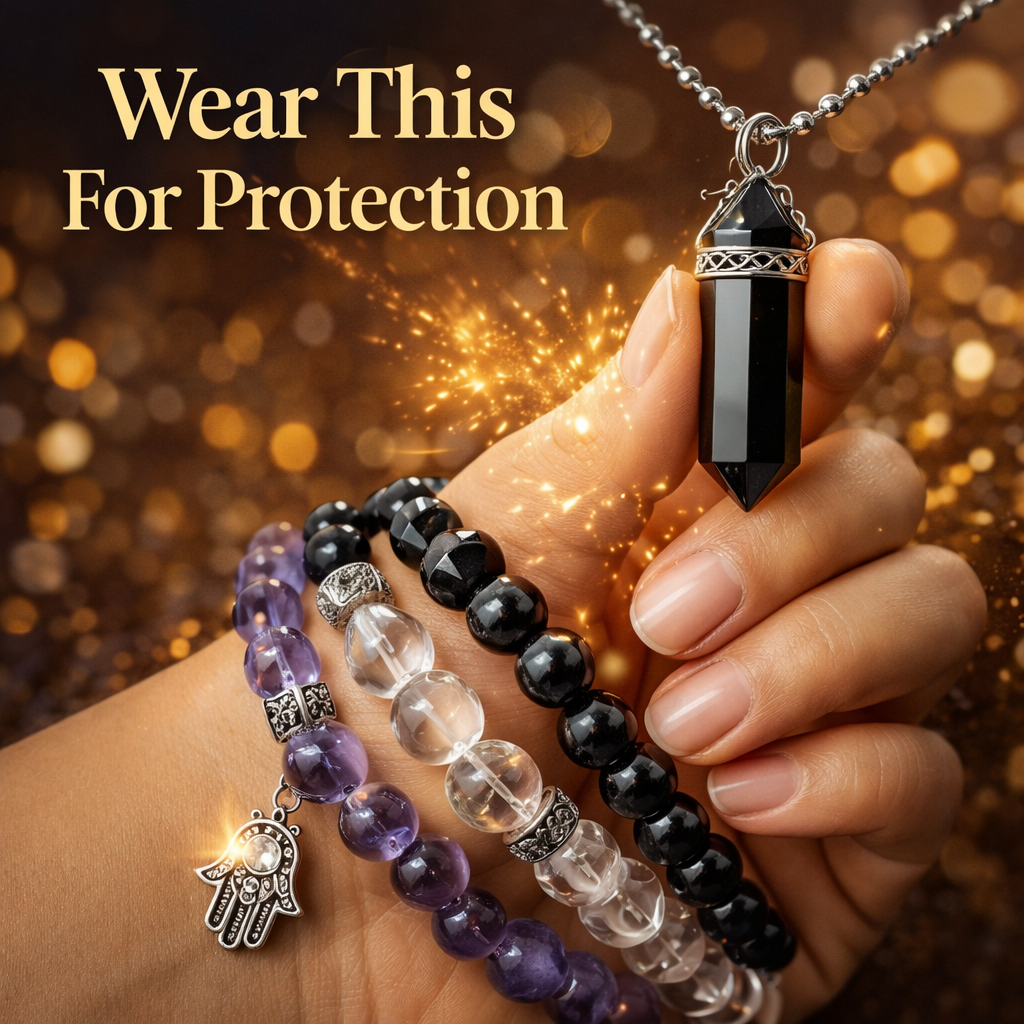
What does “protection” even mean when you’re getting dressed? It depends on where you’re going and what could go wrong, work tasks, weather swings, sun exposure, sports falls, germs in crowded places, or travel days with lots of walking.
The good news is you don’t need fear or fancy gear. You just need a simple way to pick protective clothing and gear that fits your real life and that you’ll actually wear.
First, match your outfit to the risk you actually face
Start with a quick risk check, then dress for that. First, think about where you’ll be, like a garage, sidewalk, job site, beach, or airport. Next, name what could hurt you: impact, cuts, heat, cold, UV rays, harsh chemicals, or close-contact germs. Then ask how likely it is and how bad it would be.
Comfort matters because uncomfortable gear ends up in a bag, not on your body. Choose pieces you can move in, breathe in, and keep on for the full task.
For example, if you’re doing yardwork, thorns and flying debris matter more than fashion. So you’d pick gloves, closed-toe shoes, and eye protection first. (Wear This for Protection)
Use the “contact, climate, and crowd” checklist
This quick checklist keeps you from overdoing it or under doing it.
- Contact: What might touch you (sharp edges, tools, dirty surfaces, chemicals).
- Climate: Sun, wind, rain, and temperature changes over a few hours.
- Crowd: Close people, traffic, public transit, and busy indoor spaces.
Most everyday protection comes down to a few repeat items. Think of these as your basics, then add only what the situation needs.
Hands, feet, and eyes, the big three most people forget
Work gloves help with cleaning, yardwork, and small repairs, especially when you’re handling rough or dirty stuff. Use them when you’re pulling weeds, moving boxes, or scrubbing with strong cleaners.
Closed-toe shoes with grip protect against dropped items and slippery floors. Wear them for wet entryways, garage chores, or any outdoor task on uneven ground.
Safety glasses guard against dust, splinters, and splash-back. Put them on when mowing, drilling, or spraying cleaners overhead.
Also, check fit. If gloves slide and glasses pinch, you won’t keep them on. (Wear This for Protection)
Sun, weather, and visibility protection that feels easy
Long sleeves or UPF clothing reduces sun exposure on long walks or beach days. Add a wide-brim hat when the sun is high.
Sunglasses with UV protection help on bright days, especially near water or snow.
A lightweight rain jacket keeps wind and drizzle from soaking your base layer. In cold weather, start with a warm base layer so you stay dry from sweat.
For roads and parking lots, add a bright or reflective layer when walking or biking near traffic.
Fit, fabric, and care, so your protection still works
The best gear fails if it’s uncomfortable, worn out, or used wrong. Pick the right size so sleeves don’t ride up and gloves don’t bunch. Aim for breathable fabrics when you’ll sweat, and thicker fabrics when you expect scrapes.
Check for tears, loose straps, and worn soles. Replace cracked helmets and damaged eye protection right away.
Wash and store items as the label says, especially masks, gloves, and reusable layers. For higher-risk tasks, follow workplace rules and product instructions.
Conclusion
To wear this for protection, match your outfit to the real risk. Cover the basics first (hands, feet, and eyes), then add sun, weather, or visibility layers as needed. This week, pick one situation you do often, walking near traffic, yard work, or cleaning, and set the protective item out the night before. Small habits beat good intentions every time.
Follow us on Instagram @nirvanahealingessentials for daily crystal tips and inspiration.