
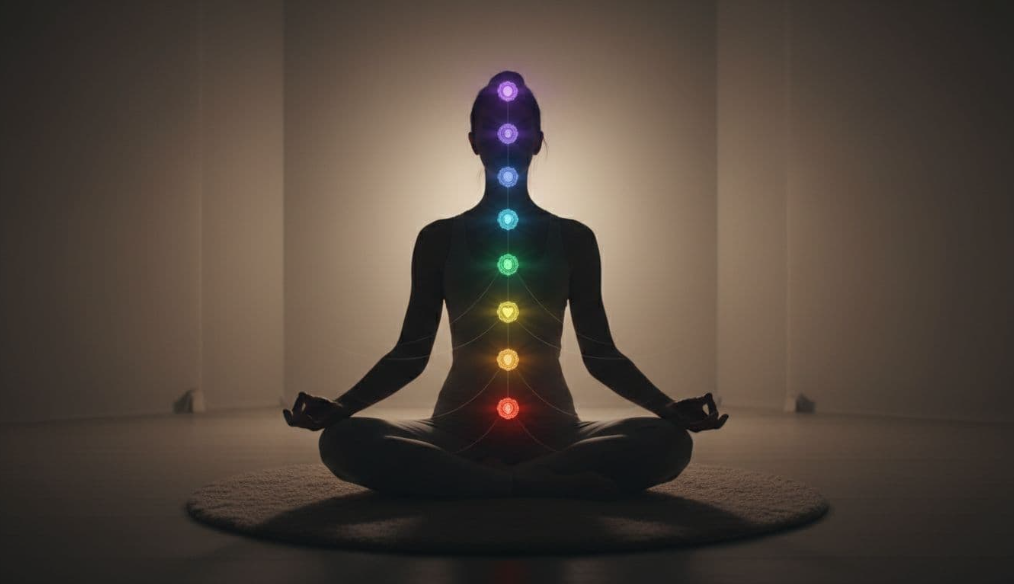
Chakra healing is a spiritual wellness practice built around the idea that the body has seven main energy centers. Many people use it to slow down, reflect, and feel more emotionally steady. At the same time, it isn’t a medical treatment, and it shouldn’t replace care from a licensed health professional. (What Is Chakra Healing? A Beginner-Friendly Guide )
If you’ve heard people talk about blocked energy, balancing chakras, or healing with meditation, it can sound vague. The good news is that the basic idea is simple, and beginners can start with calm, low-pressure practices at home.
What is chakra healing, exactly?
In plain terms, chakra healing is a way of working with the body’s energy, at least from a spiritual point of view. The word “chakra” comes from old Indian traditions, where chakras are described as centers of energy connected to different parts of life.
People practice chakra healing in many ways. Some use meditation, breathwork, yoga, sound, or visualization. Others add journaling, affirmations, or crystals. Because this is a spiritual and personal practice, beliefs vary, and there’s no single “right” way to do it.
The basic idea behind the seven chakras
Many chakra systems focus on seven main centers, moving from the base of the spine to the top of the head.
- Root chakra sits near the base of the spine and is often linked with safety, stability, and feeling grounded.
- Sacral chakra is in the lower abdomen and is tied to creativity, pleasure, and emotional flow.
- Solar plexus chakra is around the upper belly and connects with confidence, will, and personal power.
- Heart chakra sits at the center of the chest and relates to love, compassion, and connection.
- Throat chakra is at the throat and is linked with speaking honestly and expressing yourself.
- Third eye chakra is between the eyebrows and is often tied to insight, inner wisdom, and intuition.
- Crown chakra is at the top of the head and connects with meaning, awareness, and spiritual connection.
Think of it like a map, not a medical chart. The chakra system gives people a way to reflect on how they feel inside. (What Is Chakra Healing? A Beginner-Friendly Guide)
How people think blocked or balanced chakras feel
In chakra healing, people often describe a balanced chakra as open, steady, or flowing. For example, a balanced root chakra might feel grounded. A balanced throat chakra might feel clear and honest.
On the other hand, people may describe a blocked chakra as stuck, shut down, or tense. That could mean feeling anxious instead of stable, or quiet when you want to speak up.
These are shared spiritual beliefs, not proven medical facts. Still, many people find this language helpful because it gives shape to feelings that are hard to name.
How chakra healing works for beginners
For most beginners, chakra healing is less about dramatic breakthroughs and more about attention. You slow down, breathe, notice what you’re feeling, and use simple tools that support calm and focus.
That matters because many people spend their day rushing from one task to the next. Chakra work often invites the opposite. It asks you to pause, check in, and listen.
A beginner practice doesn’t need to be long or complex. In fact, simpler usually works better.
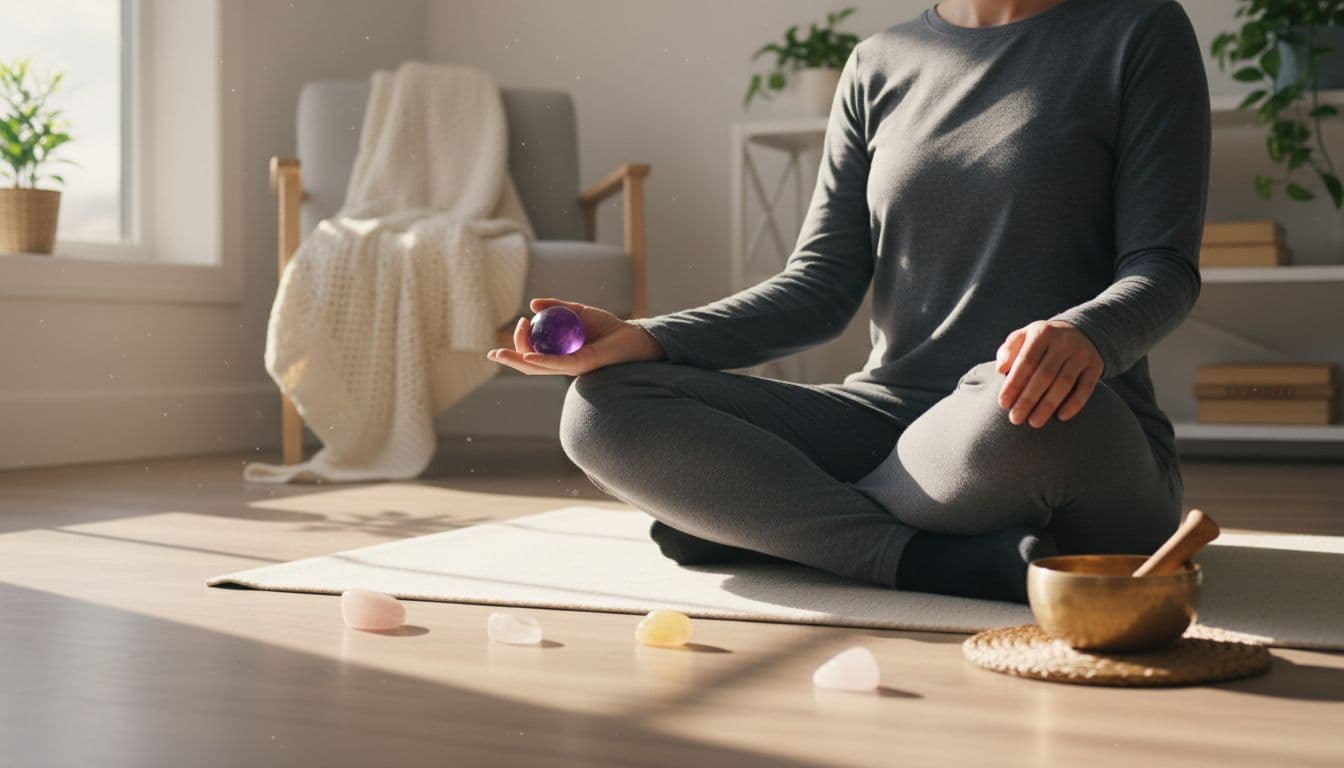
Guided meditation is one of the easiest entry points. You listen to a voice that leads you through each chakra, often with breath and imagery. Breathwork can help too, because slow breathing tends to settle the body and sharpen awareness.
Yoga is another common method. Certain poses are thought to support specific chakras, although beginners don’t need to memorize them all. Journaling works well if you like words. A few honest lines about where you feel stuck can be enough.*What Is Chakra Healing? A Beginner-Friendly Guide
Some people also use affirmations, such as short phrases about safety, confidence, or love. Sound healing may involve singing bowls, humming, or music. Crystals are popular as well, though many people see them as symbolic tools rather than objects with guaranteed effects.
What to expect during a chakra healing session
A session, whether with a practitioner or on your own, usually feels calm and quiet. You might sit or lie down, breathe slowly, and bring attention to each energy center.
Some sessions include light movement, music, or visualization. Others stay still and reflective. You may notice body sensations, emotions, or mental images. Then again, you might simply feel relaxed, and that’s okay too.
You don’t need to feel a surge of energy for the practice to be meaningful.
Experiences differ a lot. The goal isn’t to force a result. It’s to create space for awareness.
A simple way to start chakra healing safely
The safest way to begin is to keep it small. Pick one method, give it ten minutes, and stay curious. You don’t need special gear, deep knowledge, or a strong spiritual belief to try a basic practice.
What matters most is your mindset. Stay open, but keep expectations realistic. If nothing dramatic happens, that doesn’t mean you failed. (What Is Chakra Healing? A Beginner-Friendly Guide)
An easy 10-minute chakra healing routine for your first try
This quick routine works well on a chair, cushion, or yoga mat.
- Get quiet and sit comfortably.
- Take five slow breaths, in through the nose and out through the mouth.
- Bring attention from root to crown, one area at a time.
- Notice tension, ease, heaviness, or openness without judging it.
- End with one journal note or one short affirmation, such as “I feel steady.”
That’s it. You can repeat the same routine daily for a week and see how it feels. A short, steady habit often teaches more than one long session.
When chakra healing can be helpful, and when to seek medical care
Chakra healing can be a helpful personal practice for relaxation, mindfulness, and self-awareness. It may also support reflection during stressful seasons, especially when you want a gentle way to slow down.
Still, it should never replace medical or mental health care. If you have physical symptoms, severe stress, trauma, panic, depression, or ongoing emotional distress, reach out to a qualified healthcare provider or licensed therapist.
Use chakra healing as a wellness practice, not as a diagnosis or treatment plan.
Chakra healing doesn’t need to be mysterious. At its core, it’s a personal practice of attention, balance, and reflection. For many beginners, that’s the real value.
Start with one simple method, keep your expectations grounded, and notice what shifts over time.
If you’re curious, try ten quiet minutes today and see what your body and mind have been trying to tell you. A few smart changes to clutter, light, air, comfort, and nightly habits can make your room feel like rest again.
Follow us on Instagram @nirvanahealingessentials for daily crystal tips and inspiration.